To further strengthen the Digital Economy program and promote the deep integration of theoretical teaching with industrial practice, on December 19, 2025, the Department of Applied Economics organized a field research visit to the Daxing Economic Development Zone. Led by Professor Mei Feng, Director of the Institute for New Quality Productive Forces and High-Quality Development; Professor Jun Wei, Director of the Center for Digital and Intelligent Management Research; Associate Professor Jianfeng Ma, Deputy Head of the Department of Applied Economics; and other faculty representatives, more than 30 undergraduate and graduate students from the 2024 cohort of the Digital Economy program visited the Beijing Digital Economy Enterprise Overseas Expansion Innovation Service Base, Yihua Technology (Beijing) Co., Ltd., and the Intelligent Technology Integration Innovation Laboratory, gaining firsthand insight into the frontier of digital economy development.
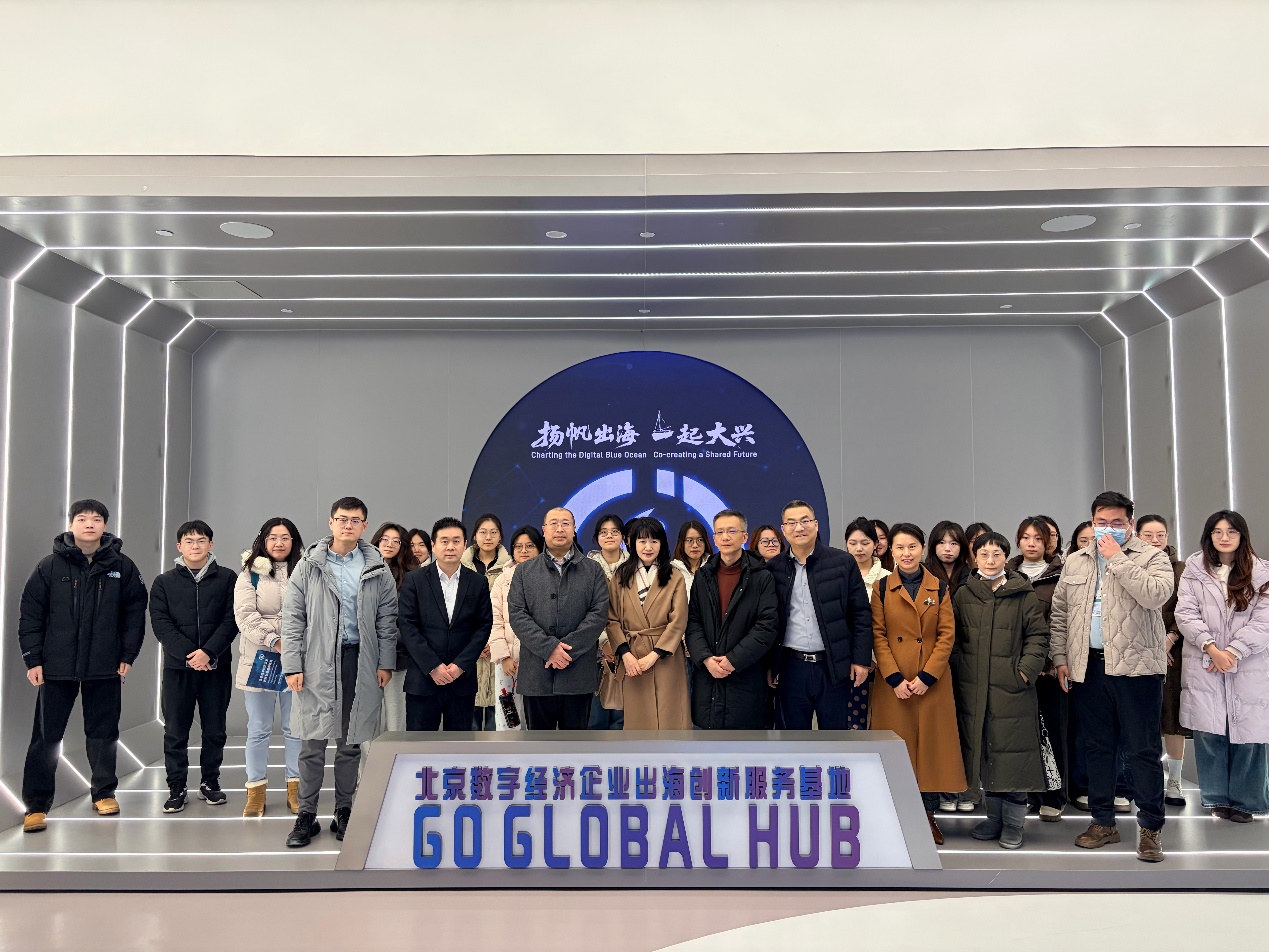
The first stop of the visit was the Beijing Digital Economy Enterprise Overseas Expansion Innovation Service Base. Established under the guidance of the Ministry of Industry and Information Technology and with the support of the Beijing Municipal Bureau of Economy and Information Technology, the Base is the first innovation service platform in China dedicated to supporting digital economy enterprises in expanding overseas. Through policy interpretation and case analysis, staff members introduced the strategic background, development trends, and the opportunities and challenges facing digital economy enterprises “going global.” They also highlighted the Base’s functional role in policy coordination, resource integration, market services, and risk prevention, helping faculty and students gain a deeper understanding of the globalization of the digital economy.
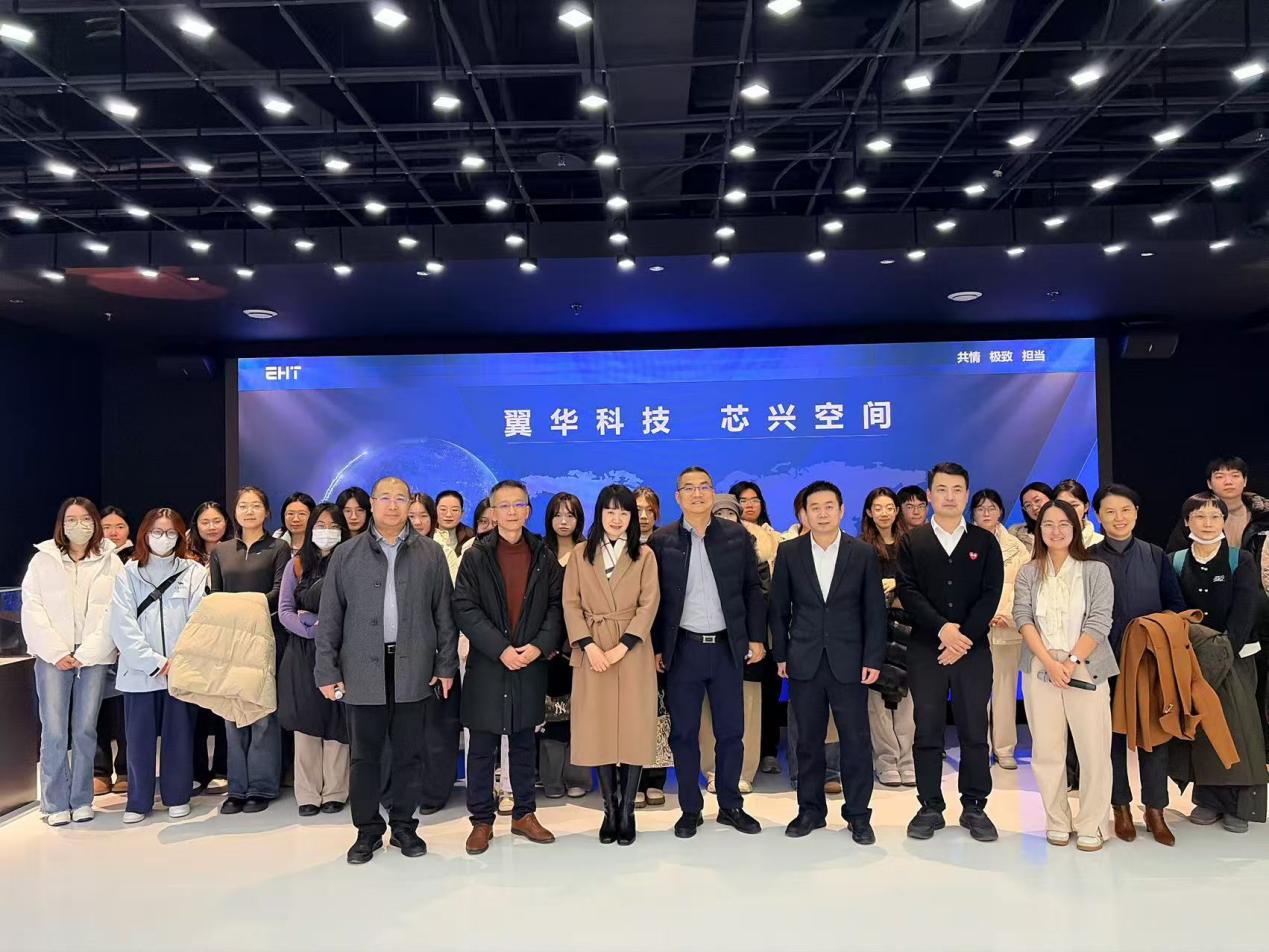
The delegation then visited Yihua Technology (Beijing) Co., Ltd. for a focused exchange on intelligent computing infrastructure. Company technicians systematically introduced the firm’s business layout in the field of intelligent computing, with particular emphasis on the foundational role of intelligent computing as the computing backbone supporting frontier technologies such as artificial intelligence and large models. Through diagrams and on-site displays, they presented the network architecture of intelligent computing, construction processes, and practical applications of domestically developed computing equipment. During the discussion session, faculty and students engaged in in-depth exchanges with company experts on issues related to coordinated development across the upstream and downstream intelligent computing industry chain.
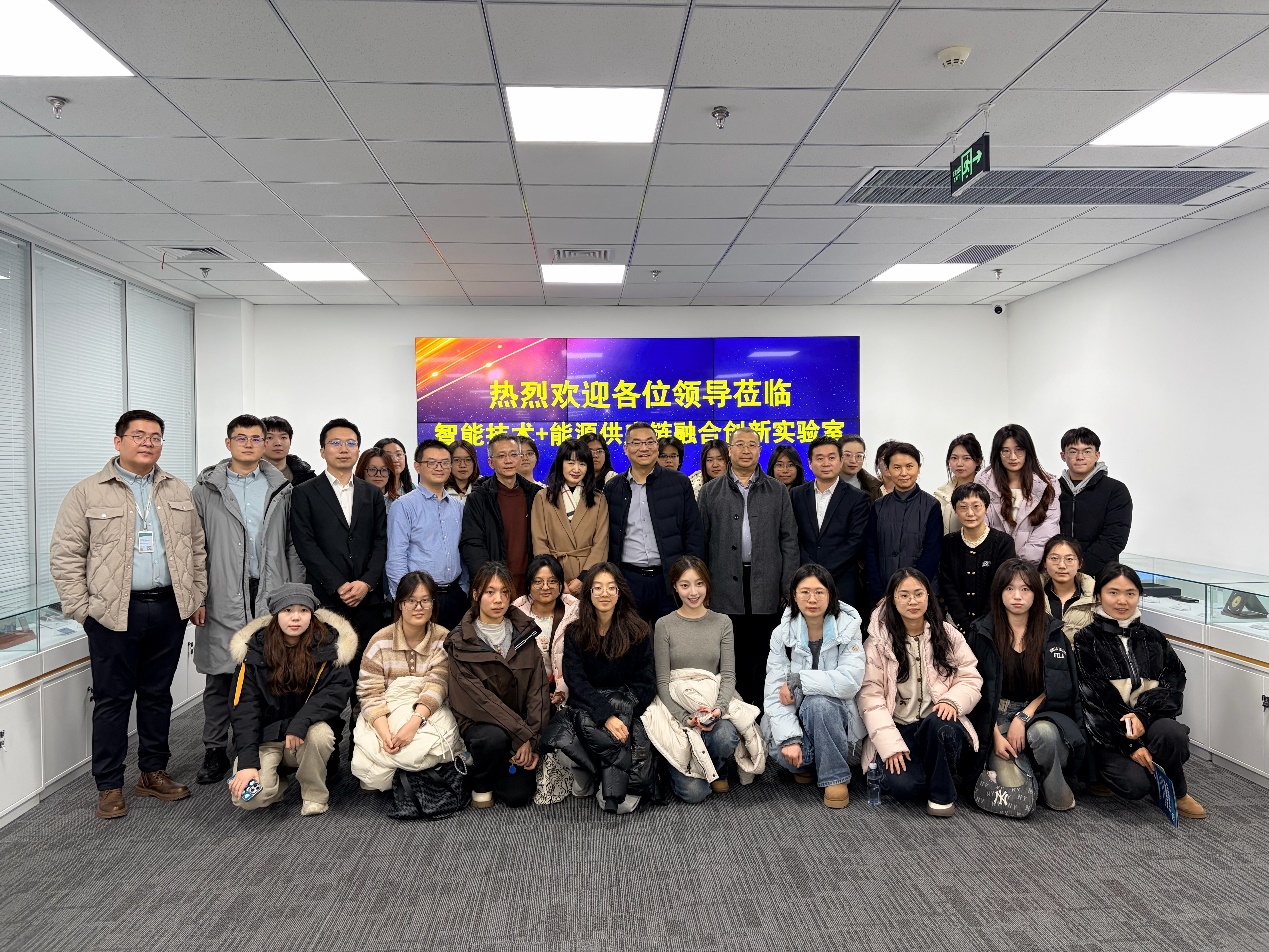
At the Intelligent Technology Integration Innovation Laboratory, the person in charge introduced the laboratory’s functional positioning and major research directions. The laboratory focuses on the integration of digital, intelligent, and green technologies, and conducts exploration in areas such as intelligent computing adaptation, large-model application validation, and digital management of green supply chains. Through visits to the technology demonstration area and the intelligent computing center, students gained a direct understanding of how computing infrastructure supports industrial operations and the practical implementation of technology.
By linking together a policy service platform, technology enterprises, and an innovation laboratory, this field research activity created a complete industrial practice learning chain for the digital economy. Through on-site visits and exchanges, students closely connected classroom learning with real-world industrial practice, deepened their understanding of the development logic and technological trends of the digital economy, and built a practical foundation for future academic research and career planning. The activity fully embodied the Department of Applied Economics’ educational philosophy of promoting industry–education integration and strengthening practice-based teaching.
Contributed by: Department of Applied Economics
Edited by: Bai Min, Zhang Peixin
Reviewed by: Jin Jiahua